
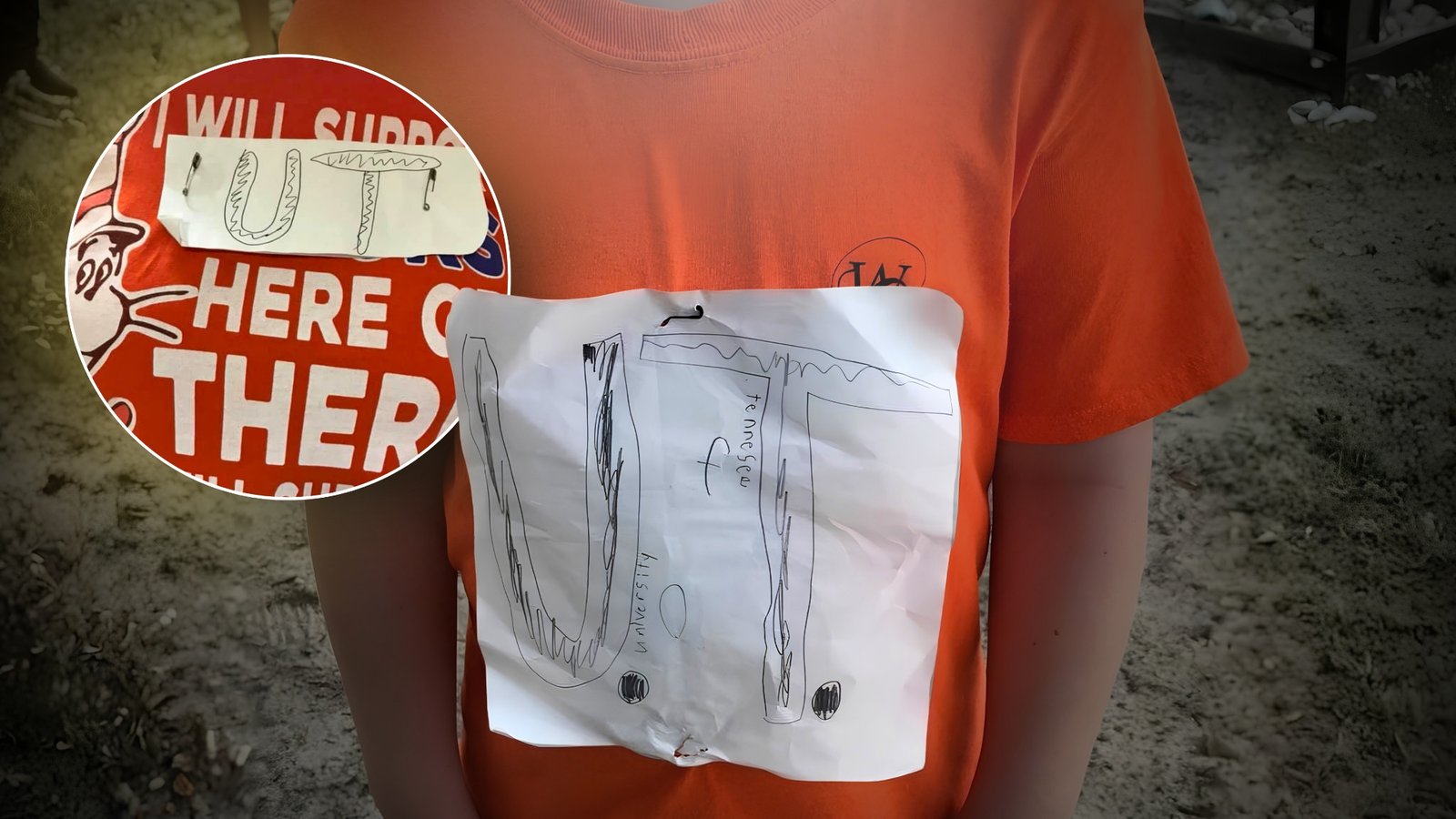
A Florida fourth-grader made his own University of Tennessee shirt for his school’s College Colors Day.
According to his teacher, classmates mocked the homemade shirt and the child became upset.
The University of Tennessee later turned his hand-drawn design into an official university shirt.
UT also offered him honorary admission to its Class of 2032 and a four-year scholarship covering tuition and fees beginning in fall 2028, provided he eventually attends UT and meets its admission requirements.
The story stands out because an institution noticed what happened and responded in a way that restored value to something that had become a source of embarrassment.
That matters beyond one school in Florida.
In the Philippines, schools already operate under the Anti-Bullying Act of 2013, while DepEd’s revised anti-bullying framework places greater emphasis on school-wide prevention, early intervention, and complaint and appeal mechanisms.
The scale of the issue remains significant.
In the OECD’s PISA 2025 Philippines country note, 47% of surveyed Philippine students said they experienced at least one measured form of bullying a few times per month or more, compared with a 20% OECD average.
The Florida story became extraordinary because a university noticed and responded.
The more important standard is whether students can expect a functioning response even when their experience never becomes viral.
What should a strong school response to bullying look like before a case ever reaches social media?