
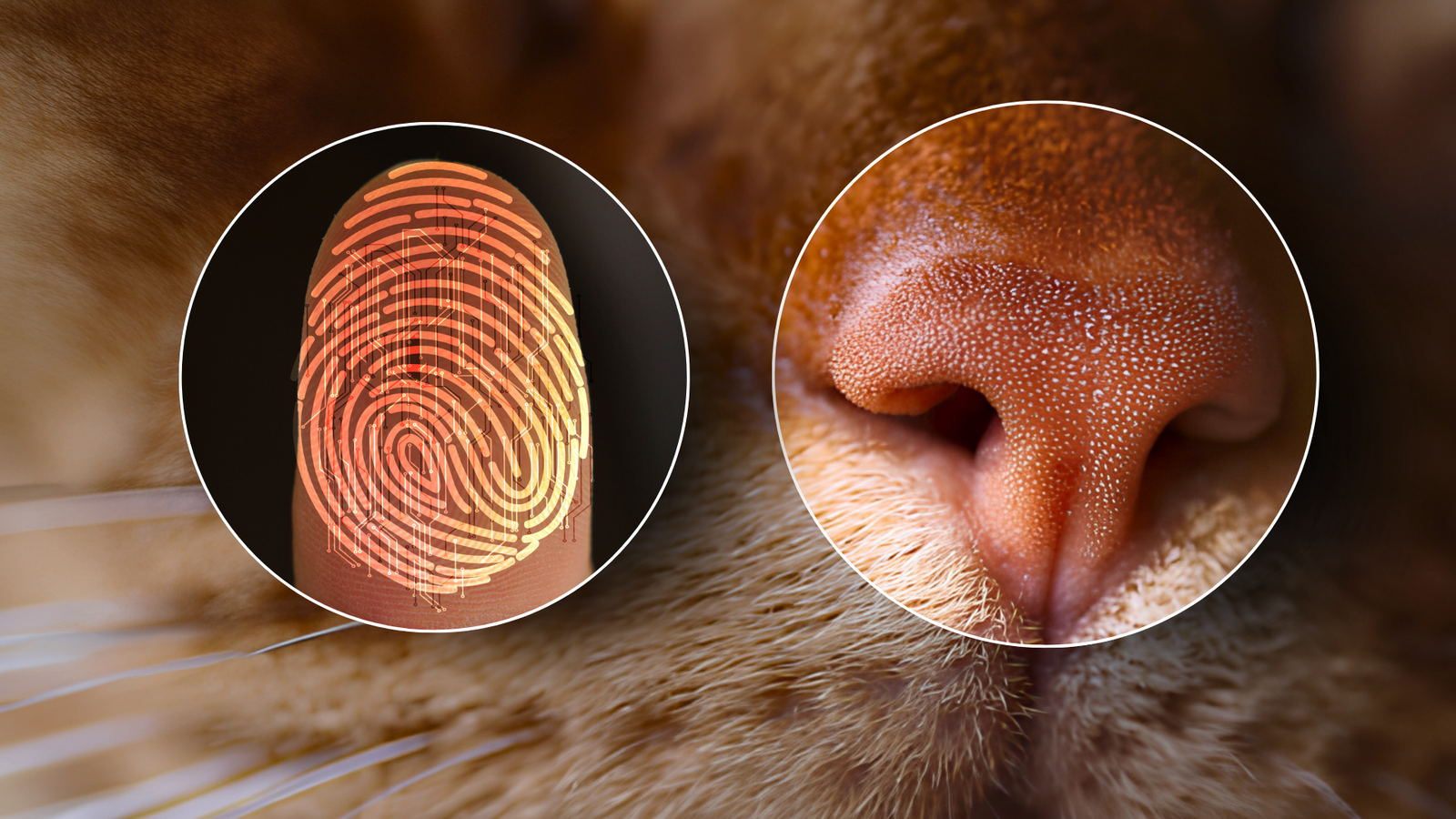
That tiny pattern on your cat’s nose could someday help identify it.
A 2025 study by Tentieva and Arbaev examined nose impressions from 157 cats, including repeat samples from 14. Researchers found distinguishing features among the animals studied. Earlier work in 2016 also explored computer-based identification using 700 nose images from 70 cats.
For Filipino cat owners, the findings raise an interesting possibility of another way to identify their pets. However, no Philippine nose-print identification service has been verified.
The science also has its limits. Although these markings are often compared to human fingerprints, researchers haven’t established worldwide uniqueness or lifelong stability. A 2024 IEEE paper highlighted problems with image quality and incorrect matches in earlier recognition methods.
The American Animal Hospital Association still recommends microchips and updated ID tags. Nose scanning may eventually complement these methods once its reliability is established.
Would you use a validated nose scan as an additional identification option for your cat?
Sources: Tentieva and Arbaev (2025), Chen et al. (2016), IEEE Access (2024), and AAHA.