
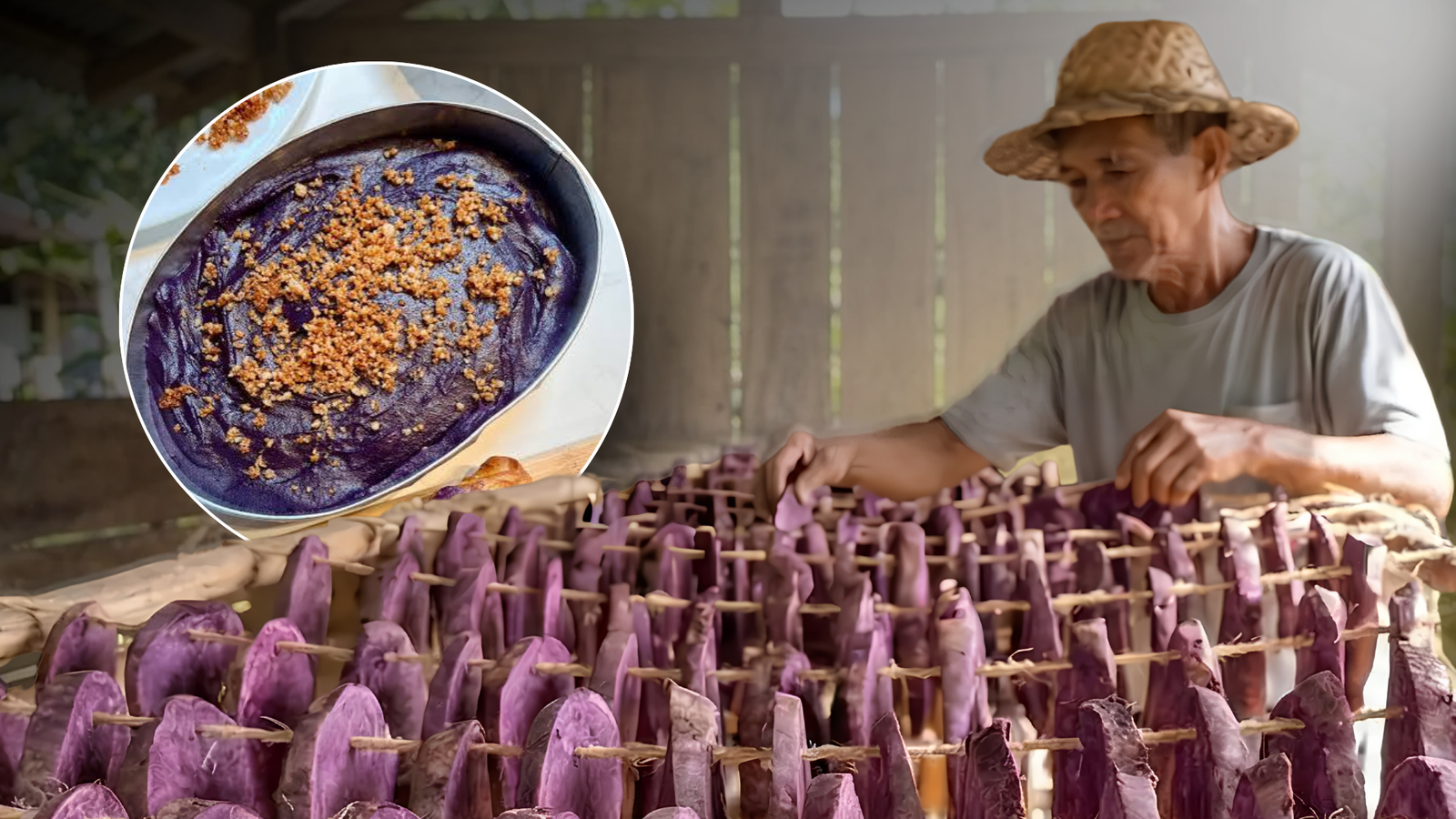
The Philippines has suspended fresh ube exports as the government works to secure planting materials for domestic farmers.
The Bureau of Plant Industry (BPI) introduced the restriction in mid-August 2026. On October 6, the Department of Agriculture (DA) clarified that it covers untreated, unprocessed raw ube capable of being replanted, including shipments declared for consumption or research.
Processed ube products remain supported for export. The restriction does not amount to a blanket ban on ube products, although individual shipments should not be assumed automatically cleared.
According to the DA, shortages of planting material and concerns about possible overseas competition are behind the measure, which was described as indefinite.
To strengthen domestic production, the agency plans to add 1,000 hectares of ube cultivation in the first year of its expansion program. It is also seeking ₱300 million for the initial phase.
Earlier in June, BPI and its partners reported distributing more than 60,000 ube planting materials to farmers in Leyte and Bohol. A BPI official quoted by AFP also reported Philippine production of 12,483 metric tons in 2025.
Independent agribusiness analysis has identified declining output and supply constraints, while fresh-ube exporters and overseas buyers may face tighter sourcing options under the restriction.
For Filipino farmers, the important test is whether these measures actually improve planting supply, production and income. Those gains have yet to be established.
What results should the DA publish to show whether its ube expansion plan is benefiting local growers?
Sources • Department of Agriculture, AFP and UA&P Center for Food and Agri Business
Verified October 8, 2026