
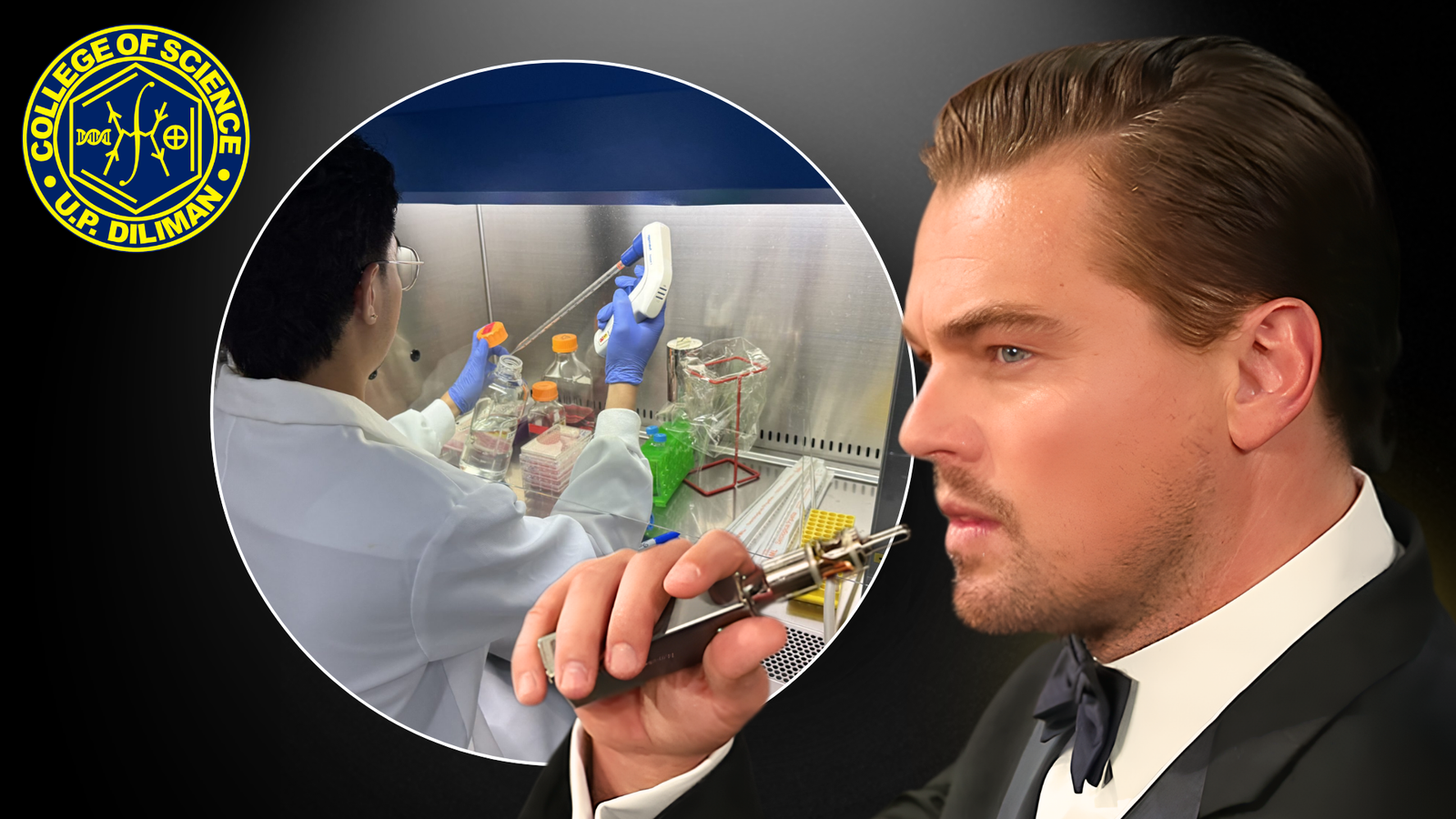
Vaping isn’t harmless, and a UP Diliman study has found more reasons to be concerned about its possible health effects.
Researchers examined how vape extract affects human-derived lung cells in a laboratory. They focused on VALT1, a type of RNA that may play a role in changes associated with cancer.
At certain tested concentrations, vape extract increased VALT1 levels in an existing lung cancer cell line. Further experiments found that changing VALT1 levels affected how tested cells grew, moved and resisted cell death.
Published on March 16, 2026, in Non-Coding RNA, the research was highlighted by UP Diliman’s College of Science on September 7.
The findings raise concerns, but researchers did not prove that vaping causes cancer in humans. Their experiments involved two laboratory cell models, including cells that were already cancerous. They also tested a selected e-liquid, so the findings cannot be applied to every vape product.
The World Health Organization considers e-cigarettes harmful, although their long-term health effects are not fully understood. Separate research also shows that nicotine e-cigarettes can help some adults quit cigarette smoking, with long-term safety still a concern.
In the Philippines, an analysis of a 2019 survey estimated that 14.1% of surveyed students aged 13–15 had used e-cigarettes in the previous 30 days. This is a historical estimate, not the current rate. Philippine law also limits the purchase, sale and use of covered vape products to people aged 18 and above.
UP Diliman’s findings add to scientific concerns about vaping. Scientists still need long-term human evidence to understand its cancer risks.
If vaping can affect cells in a laboratory, what could years of exposure mean for people who use it regularly?
Sources: UP Diliman College of Science, Non-Coding RNA, WHO, Cochrane, Philippine youth survey analysis and RA 11900.